We Said “Pay Them.” Then we asked, “Why Didn’t They Win?”
Kenya’s 1–1 draw with Eritrea exposed the curious relationship between principle, preparation, expectations and the unforgiving nature of football fandom.
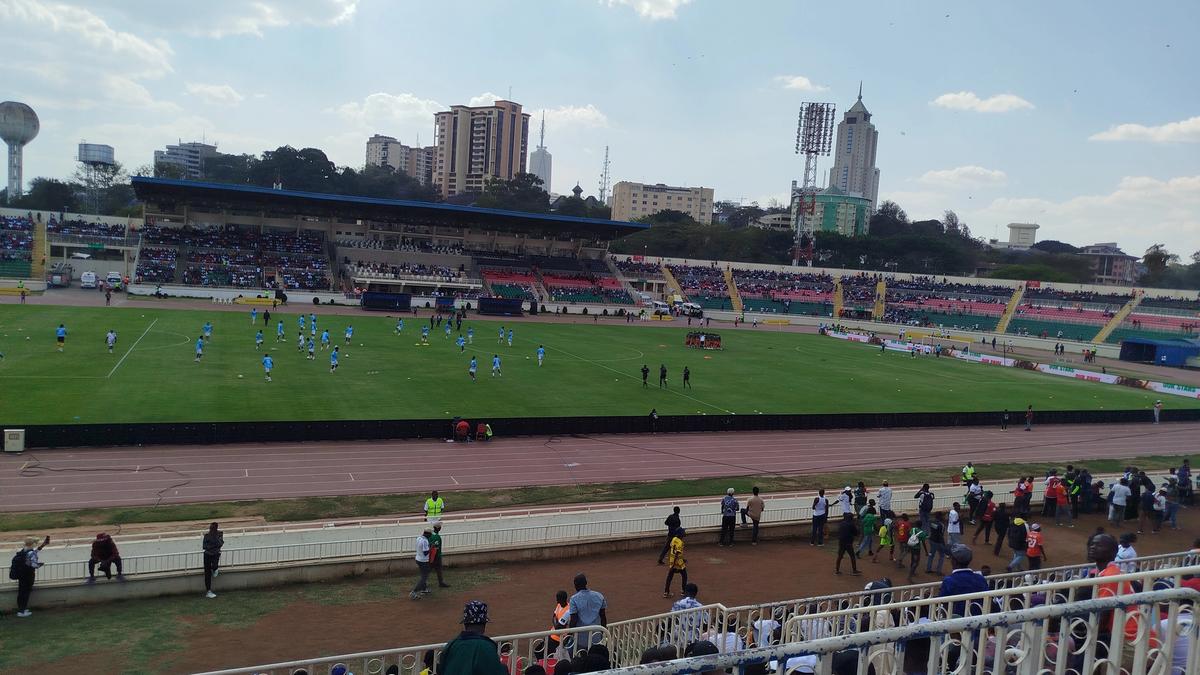
Before Saturday, the argument was simple: Pay the players. After Saturday, somehow the argument became: Why didn’t they win?
Football has a funny way of changing the mood.
Harambee Stars’ 1–1 draw with Eritrea left Kenyan fans frustrated, but perhaps the more interesting story was not the result itself. It was how quickly the conversation around the team changed. The same fans who had supported the players’ decision to boycott training over unpaid allowances were now questioning whether that very boycott had contributed to Kenya’s failure to beat Eritrea. And suddenly, what had looked like a fight for principle before kick-off felt very different after the final whistle.
Before the whistle, it was about the money
Harambee Stars arrived in camp ahead of the Eritrea clash, but preparation for the game was anything but normal. The players had reported to camp, but unpaid allowances meant they refused to train. For a team preparing for an international fixture, every training session matters, and Kenya ended up having just one proper training session before taking to the pitch.
At the time, much of the public sympathy was with the players. The argument was straightforward: if you have earned your allowance, you should be paid. Why report to camp, do your part and then be expected to simply accept being owed?
But not everyone saw it that way. There were fans who felt the players had another option. If the allowances were not paid, they argued, why report to camp in the first place? Coming into camp and then refusing to train, they felt, put the team in an unnecessary situation.
Still, as kick-off approached, that debate seemed secondary. The players had made their stand, the game was coming, and for many fans the message was clear: pay the players. Then came the 90 minutes that changed the conversation.
Then came the result
Kenya did not lose. But somehow, the 1–1 draw felt like one. That is where the mood began to shift. Before kick-off, the conversation had largely been about the players’ unpaid allowances. After the final whistle, the conversation had become about the performance. How could Kenya fail to beat Eritrea at home? Why had the team looked short of sharpness? And, perhaps most importantly, did the decision to boycott training now come back to haunt them?
It was almost an about-turn. Some of the same fans who had stood behind the players’ decision not to train were now pointing to the lack of preparation as a possible reason for the disappointing performance. The irony was difficult to miss. The players had been supported for refusing to train, but once the team failed to deliver the expected result, the consequences of that lack of training suddenly mattered.
And perhaps that is the reality of being a football fan. A fan is rarely asking for an explanation before asking for a result. We can understand the circumstances, sympathise with the players and even agree with their position, but when the whistle blows, we still want our team to win.
Had Harambee Stars beaten Eritrea 2-0 or 3-0, would we be having this conversation? Probably not. The allowance dispute would still be there. The missed training sessions would still have happened. But a win has a funny way of making problems feel smaller. A draw, especially against a team Kenya expected to beat, does the opposite. Suddenly, every missed training session, every missed chance and every decision made before the game comes under the microscope.
But what actually happened on the pitch?
For all the frustration surrounding the result, Kenya were not completely outplayed. Harambee Stars had plenty of the ball and created enough opportunities to have put the game beyond Eritrea. The problem was what happened when it mattered most. The chances came, but the finishing did not.
Kenya looked particularly short of sharpness in the final third. Passes were being made, spaces were being found and opportunities were being created, but the final touch; that one moment that turns a good move into a goal, seemed to be missing. And that made the wait for a goal even more frustrating.
Eritrea had taken the lead, and as the minutes ticked away, every missed opportunity only increased the anxiety around Nyayo. The equaliser eventually came through Ryan Ogam in the 87th minute.
Could the lack of training have played a part? It is certainly a question worth asking. Football sharpness does not simply appear because players report to camp. It is built through repetition, movements, combinations, timing, finishing and understanding with teammates.
But perhaps that is where we should be careful. One cannot look at a single draw and confidently say, “This happened because they boycotted training.” There were chances that Kenya could have taken, and finishing those chances is part of the game.
What we can say is that Kenya entered the match with far less preparation than anyone would have wanted. And when the margin between winning and drawing can be as small as one missed chance, preparation suddenly becomes a very important part of the conversation.
The football fan is a funny creature
Perhaps the most interesting character in this whole story is not the player, the coach or even the federation. It is the fan. Because a football fan can hold two completely different feelings at the same time.
You can believe the players deserve to be paid. You can support their decision to stand their ground. You can understand why they refused to train, and then, when the game starts, you can still be angry that they did not win. That is not necessarily hypocrisy. It is football.
Fans do not watch matches with spreadsheets. They watch with expectation, emotion and, sometimes, very little patience. We can understand why something happened and still be disappointed by what happened next. Perhaps that is why the 1–1 draw hurt more than the result itself.
Kenya were not beaten. They were not dominated. They created chances. They fought back. They rescued a point late in the game. But against Eritrea, at home, the expectation was victory. And when victory did not come, the conversation naturally returned to everything that happened before kick-off.
Now comes Guinea
The Eritrea game is done. The allowance dispute, the missed training sessions, the missed chances and the late equaliser can all become part of the rear-view mirror. But the next test arrives quickly. Harambee Stars travel to Conakry to face Guinea on Thursday, 1 October, in their second Group D fixture. Guinea also began the campaign with a defeat, going down 2-1 to South Africa.
This time, however, there should be less room for excuses around preparation. The question will be simpler: What can Kenya do when the football becomes the only thing left to talk about? The players have made their stand. The fans have made their feelings known. The coach has explained what he believes went wrong.
Now the pitch gets another say. Perhaps that is exactly what Harambee Stars need, not another argument, but another 90 minutes. Because if football has taught us anything, it is that one result can change the conversation all over again.